
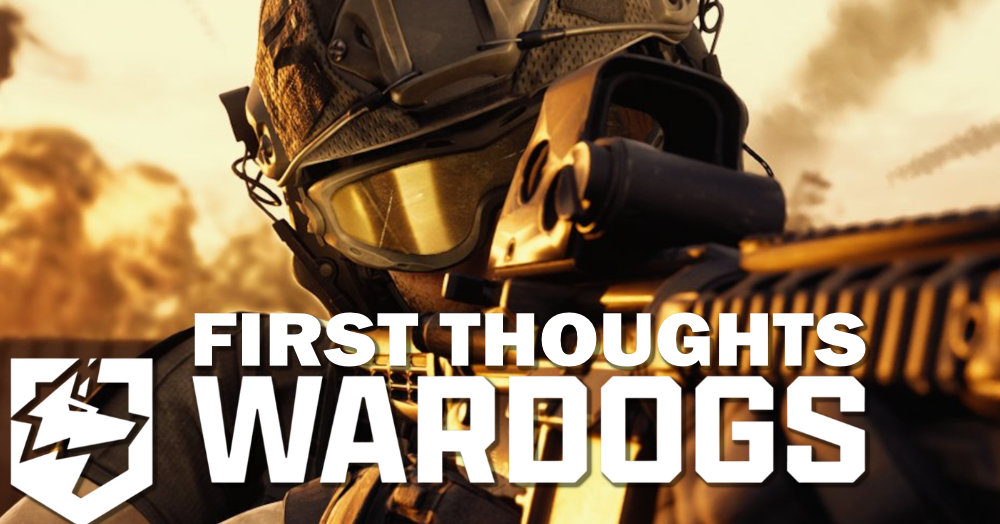
Wardogs isn’t simply another tactical shooter entering an already crowded genre. It’s a game that arrives with a clear identity, a confident stride, and a refreshing willingness to embrace both precision and absolute mayhem. From the very first mission, Wardogs makes one thing obvious: it knows exactly what kind of experience it wants to deliver. And that experience is exceptional.
What sets Wardogs apart isn’t just its mechanics or its visuals — though both are strong. It’s the way the game blends structure with unpredictability, tactical depth with explosive spontaneity, and teamwork with pure, unfiltered fun. Wardogs is good. Wardogs is really good. And here’s why.
A Living, Breathing Sandbox of Tactical Action
Many shooters claim to offer “dynamic gameplay,” but Wardogs actually delivers it. Every mission feels like a living battlefield rather than a scripted sequence. Enemies reposition, vehicles roar across the terrain, objectives shift, and the environment reacts to player decisions in ways that feel organic rather than pre‑planned.
The magic lies in how Wardogs gives players tools without dictating how they must be used. You can breach a compound with coordinated precision, or you can improvise with whatever gear and vehicles you have on hand. You can approach missions with military discipline or lean fully into the chaos. The game supports both styles — and everything in between.
This freedom creates moments that feel genuinely memorable. Not because the game forces them, but because the systems naturally collide in ways that produce stories worth retelling.
Squad Play That Feels Authentic and Unscripted
Wardogs shines brightest when played with a squad. The game’s design encourages communication, improvisation, and shared problem‑solving. Every player becomes part of a larger narrative, and every mission becomes a collaborative effort.
What makes the squad experience so compelling is how the game embraces imperfection. Tactical shooters often punish mistakes harshly, but Wardogs treats them as part of the fun. A mistimed push, a misread flank, or a vehicle mishap doesn’t ruin the session — it adds character to it.
This design philosophy makes Wardogs feel welcoming without sacrificing depth. It’s tactical, but not rigid. It’s challenging, but not punishing. It’s structured, but not restrictive. Few shooters strike this balance so well.
Vehicles That Add Real Depth — Not Just Flash
One of Wardogs’ standout features is its vehicle system. Helicopters, trucks, tanks, and support vehicles aren’t just optional toys — they’re fully integrated into the tactical ecosystem.
Flying a helicopter, for example, isn’t a simple point‑and‑hover affair. It requires finesse, awareness, and actual piloting skill. Mastering it feels rewarding, and even failing at it produces unforgettable moments. Ground vehicles feel weighty and purposeful, each with its own strengths and limitations.
This attention to detail elevates Wardogs beyond typical infantry‑focused shooters. Vehicles aren’t gimmicks. They’re strategic assets that expand the game’s possibilities and create new layers of gameplay.
Gunplay That Hits the Perfect Balance
Wardogs’ gunplay is one of its strongest achievements. It’s punchy, responsive, and satisfying without drifting into hardcore mil‑sim territory. Weapons feel distinct, recoil matters, and positioning is crucial. The game rewards players who take time to understand their loadouts, but it never becomes inaccessible to newcomers.
The pacing is ideal: fast enough to stay exciting, slow enough to remain tactical. Every firefight feels like a mini‑story — a push, a flank, a scramble, a victory. The gunplay doesn’t just support the game; it defines it.
A Game That Understands Fun
This is Wardogs’ secret weapon. It understands that tactical shooters don’t need to be grim, punishing, or overly serious. They can be fun. They can be chaotic. They can be cinematic. They can be full of personality.
Wardogs embraces the idea that players should enjoy themselves. It gives room for experimentation, failure, hero plays, and absolute disasters. It doesn’t demand perfection — it encourages creativity.
This philosophy makes Wardogs accessible, replayable, and endlessly entertaining. It’s a game that respects tactical depth without sacrificing joy.
A Foundation Built for Longevity
Wardogs already feels strong in its current form, but its potential is enormous. The core systems are robust, the gameplay loop is addictive, and the design philosophy is modern and player‑focused. With continued updates — more maps, more vehicles, more modes, more polish — Wardogs could easily become one of the defining tactical shooters of the decade.
But even now, today, without future promises or hypothetical expansions, Wardogs stands tall. It’s confident. It’s polished. It’s wildly entertaining. And it’s carving out a space in the genre that feels fresh and exciting.
Final Verdict
Wardogs is more than a tactical shooter. It’s a playground of controlled chaos, a celebration of teamwork, and a showcase of smart game design. It’s a game that creates stories, embraces unpredictability, and rewards both strategy and spontaneity.
Wardogs is good. Wardogs is really good. And it’s only getting better.